By the way, street performers consider it embarrassing if someone looks at you and sees you.]
Nadezhda Pavlyuchkova, that's also a bit of a generalization. Some say it's embarrassing, others say it "creates tension and engages the viewer." It seems like with everything else: if you break a rule, you have to understand why you're breaking it (traffic rules don't count )
Nadezhda Pavlyuchkova, that's also a bit of a generalization. Some say it's a disgrace, others say it "creates tension and draws the viewer in." It seems like with everything else: if you break a rule, you should understand why you're breaking it (traffic rules don't count )
Dzianis P, but sometimes it happens, they see you, and the picture turns out good.
Nadezhda Pavlyuchkova, that's also a bit of a generalization. Some say it's embarrassing, others say it "creates tension and engages the viewer." It seems like with everything else: if you break a rule, you should understand why you're breaking it (traffic rules don't count )
Dzianis P, Can I chime in? Yes, yes? Rules are certainly meant to be broken (at least in photography). But still, if you're clearly caught on the street, that's bad. Here's an example of my photo: It's clearly evident that if I hadn't been noticed, the photo, as V. Ermolaev says, would have been taken.
Dzianis P, can I chime in? Yes, yes? Rules are certainly meant to be broken (at least in photography). But still, if you're clearly caught in the street, that's bad. Let me give you an example of my photo:
It's clearly evident that if I hadn't been noticed, the photo, as V. Ermolaev says, would have been taken.
Suvlehim Takats, yes, in this case, the randomness is ruined, and it seems like everyone in the photo is posing
You know, like with the lieutenant: you can get hit head-on, or you can take a good photo. It's not about posing, although that's all there is to it with AKB, but about that certain moment... What they showed you, all those melons and grapes, is so-so. You have to remember that all of this was taken during the formation of a new language of photography, a means of conveying a new message, how can I explain it to you... Look at the photo "Good Grandfather" in my portfolio. And there are others. It's about openness. It's not about a thievish, underhanded delivery, as D. Markov talked about. It's about the attitude towards the frame. It might be confusing, and if anything, this is just my opinion, my thoughts.
You know, like with the lieutenant: you can get hit head-on, or you can take a good photo. It's not about posing, although it's all over the place with AKB, but about that moment... What they showed you, all these melons and grapes—they're so-so. You have to remember that all this was taken during the formation of a new language of photography, a means of conveying a new message, how can I explain it to you... Look at the photo "Good Grandfather" in my portfolio. And there are others. It's about openness. It's not about a thievish, underhanded delivery, as D. Markov talked about. It's about the attitude toward the frame. It may be confusing, and if anything, that's just my opinion, my thoughts.
Edu, I also thought that all the classics, after all, were active in a different time, when photography meant something a little different in the world, and people on the streets also reacted to it differently.
I looked at the photo. I probably understand what you're talking about when you talk about the attitude towards the frame: the mood of the person with the camera influences the observed reality.

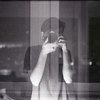

It's clearly evident that if I hadn't been noticed, the photo, as V. Ermolaev says, would have been taken.
and
in the second one, he was clearly noticed, but it didn't harm the photo.
Of course, nothing is clear. Sometimes it's possible, sometimes it's not, and whether the shot falls apart will depend entirely on chance.
I looked at the photo. I probably understand what you're talking about when you talk about the attitude towards the frame: the mood of the person with the camera influences the observed reality.